Your phone case does more work than people give it credit for. It's the thing standing between a bad drop and a cracked screen, the thing your hand touches every single time you check a notification. And yet most people spend more time picking a wallpaper than picking a case.
Silicone cases have quietly become the default choice for a lot of smartphone owners, and not just because they look clean. They hit a rare combination: soft grip, real drop protection, and a slim profile that doesn't turn your phone into a brick. This guide walks through what silicone cases actually are, why so many people have switched to them, and exactly what to check before you buy one.
What Is a Silicone Phone Case?
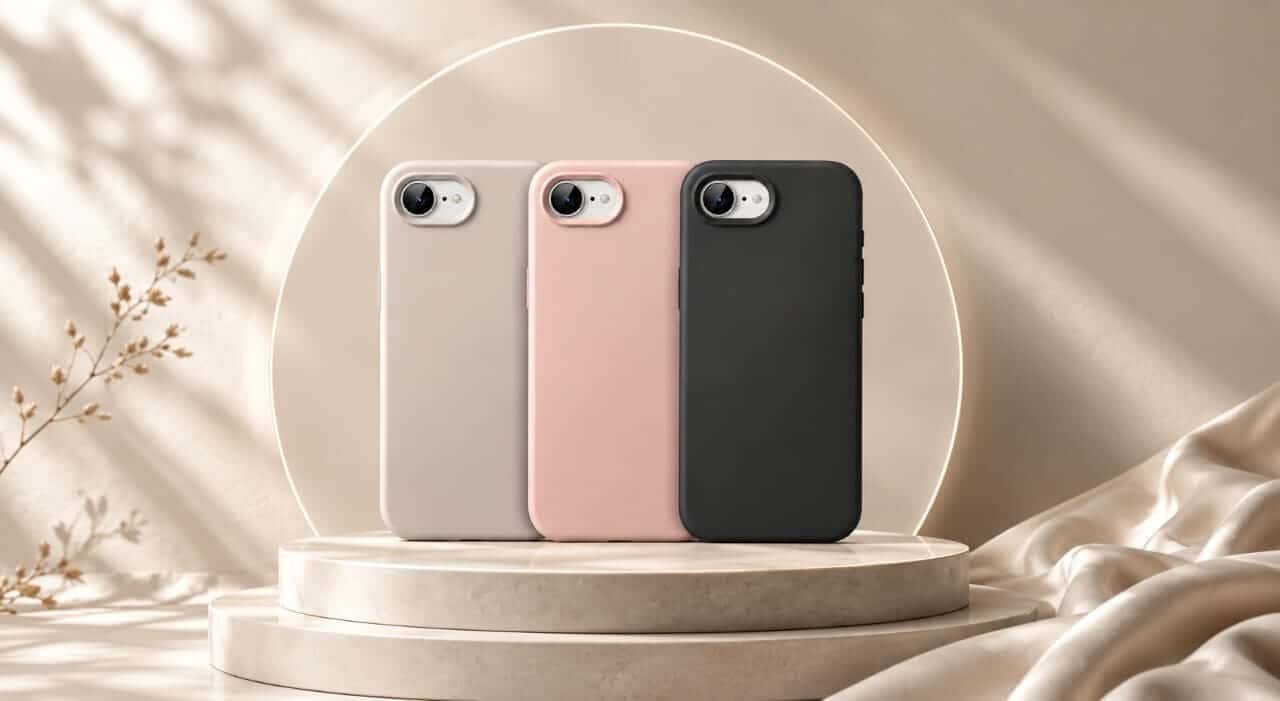
A silicone phone case is a protective cover made from a rubber-like silicone material that wraps snugly around your phone, cushioning it from drops and knocks while adding grip. Unlike hard plastic shells, it flexes as you press it onto the phone, then holds its shape once it's on — which is why it fits so tightly around the edges and buttons.
What Makes Silicone Different?
Silicone is a rubber-like material, and the difference shows the moment you pick one up. It has a soft-touch finish that grips your palm instead of sliding around in it, and it flexes without losing its shape. Snap it onto a phone and it holds tight around the edges rather than sitting loose like a shell.
Silicone vs. Liquid Silicone
Not all silicone is equal. Standard silicone is molded and functional, but liquid silicone goes through a more refined production process that produces a smoother, denser finish. It resists dust and lint better, feels less tacky over time, and generally holds up longer under daily handling. If you've ever had a silicone case that turned grimy and started attracting pocket fluff within a month, there's a decent chance it wasn't liquid silicone.
Why Are Silicone Phone Cases So Popular?
A few reasons keep coming up:
Grip. The soft texture makes the phone genuinely harder to drop, not just in theory.
Weight. Silicone adds almost nothing to your phone's bulk.
Everyday protection. It won't save your phone from a fall off a building, but it absorbs the shocks that actually happen — table edges, pocket bumps, the odd slip out of your hand.
Look and feel. The matte, soft-touch finish reads as more premium than glossy plastic.
Ease of use. No tools, no fuss — it goes on and comes off in seconds.
How to Choose the Right Silicone Phone Case
Check Your Phone Model First
This sounds obvious, but it's where most bad purchases start. A case built for the wrong model — even a close one, like last year's version — can leave your buttons stiff, your cutouts misaligned, or your camera partially blocked. Always confirm the case is made for your exact model number, not just "iPhone 16" or "Galaxy S25" broadly.
Look for Reliable Protection
A good silicone case should do more than look soft. Check for:
Shock absorption built into the material, not just claimed on the packaging
Raised bezels around the screen, so the display doesn't touch the ground face-down
Raised camera lips that keep the lens off flat surfaces
Reinforced corners, since corners take the brunt of most drops
Choose Premium Material
Liquid silicone on the outside, a soft microfiber lining on the inside — that combination is what separates a case that lasts from one that peels or yellows within months. The microfiber layer also matters more than people expect: it keeps the case from scratching the back of your phone while you're taking it on and off.
Expert Tip: If you use your phone outdoors frequently or tend to drop it often, choose a liquid silicone case with reinforced corners and raised bezels. It provides better everyday protection while maintaining a slim profile.Check Grip and Comfort
Pick it up and see how it feels in one hand. An anti-slip texture should make the phone easier to hold without you thinking about it, and a well-made case won't add noticeable bulk to your pocket.
Wireless Charging Compatibility
If you charge wirelessly, or you're considering starting, check that the case supports it before buying — some thicker cases interfere with charging coils. If you use an iPhone with MagSafe, look specifically for MagSafe-compatible silicone cases so the magnets align properly.
Pick the Right Style
Matte finishes and minimalist colorways tend to age better than trend-driven prints, and they read as more professional if you're using your phone in work settings. It's a small decision, but it's the one you'll look at every day.
Silicone Case vs. Other Phone Case Materials
Feature | Silicone Case | TPU Case | Hard Plastic Case | Leather Case |
Grip | Excellent | Good | Fair | Good |
Shock Protection | Excellent | Good | Moderate | Moderate |
Flexibility | High | High | Low | Medium |
Scratch Resistance | Good | Good | Moderate | Good |
Wireless Charging | Yes | Yes | Yes | Usually Yes |
Comfort | Excellent | Good | Average | Premium Feel |
Everyday Use | Excellent | Very Good | Good | Good |
Weight | Lightweight | Lightweight | Very Light | Slightly Heavier |
Silicone comes out ahead on the things that matter for daily use grip, shock absorption, and comfort without the added weight of leather or the stiffness of hard plastic.
Shop by your device : iphone 17 pro max silicone case | iphone 16 pro silicone case | samsung s25 silicone case | Samsung s26 ultra silicone case
Common Mistakes to Avoid When Buying a Silicone Phone Case
Buying the wrong size. A case for a similar-but-different model rarely fits right.
Choosing low-quality silicone. Cheap silicone stretches out, discolors, and stops gripping within weeks.
Ignoring raised edges. Without raised bezels and camera lips, you lose most of the drop protection the material is capable of.
Focusing only on color. A case that looks good but fits poorly isn't doing its job.
Overlooking wireless charging. Find out after the fact and you're stuck removing the case every time you charge.
How to Identify a High-Quality Silicone Phone Case
Before you buy, run through this checklist:
Premium liquid silicone construction
Soft microfiber interior lining
Responsive button covers
Precise cutouts for ports, speakers, and cameras
Raised camera protection
Raised screen protection
Anti-yellowing finish
Durable construction that holds up over months, not weeks
Why Choose Ringke Silicone Cases?
Ringke builds its silicone cases around this exact checklist, which is why they're worth a closer look if you're shopping for one.
Premium liquid silicone. Ringke's cases use a soft-touch liquid silicone exterior designed for everyday handling — it grips well from day one and doesn't turn tacky or grimy the way lower-grade silicone does.
Reliable everyday protection. The shock-absorbing build, paired with raised bezels around the screen and camera, means your phone is protected exactly where it needs to be — face-down on a table or edge-first in a fall.
Precision fit. Cutouts are cut to match your exact phone model, so ports, speakers, and cameras line up properly and buttons stay responsive instead of feeling mushy or stiff.
Comfortable to hold. The anti-slip finish makes one-handed use easier and cuts down on the accidental slips that cause most drops in the first place, all without adding noticeable bulk in your pocket.
Wireless charging compatible. You can charge wirelessly without removing the case, on supported models — no extra step, no forgetting to take it off.
Minimalist design. Clean, modern colorways that work equally well in a meeting room or on a weekend out.
If you're after a silicone case that checks every box on the quality checklist above, Ringke's silicone case collection is built exactly for that.
Who Should Buy a Silicone Phone Case?
Students who need everyday drop protection without added bulk
Professionals who want a clean, minimal look
Frequent travelers who need reliable grip on the move
Everyday smartphone users looking for comfort and durability
Anyone who wants solid protection without a case that feels like armor
Conclusion
Choosing the right silicone case comes down to a handful of things: making sure it fits your exact phone model, checking that it has real shock protection with raised edges, confirming the material quality, and making sure it won't get in the way of wireless charging. Get those right, and you end up with a case that protects your phone and actually feels good to use every day.
If you want a case that covers all of that without compromise, Ringke's silicone cases are built with premium materials, a precise fit, and reliable everyday protection a dependable choice whether you're a student, a professional, or just someone who wants their phone to survive daily life.
FAQ
Is a silicone phone case good for everyday use?
Yes. Silicone offers a strong mix of grip, comfort, and shock absorption that suits daily handling better than most other materials.
Does a silicone phone case protect against drops?
It does, particularly against everyday drops — off a couch, a table, or out of a pocket. Look for raised bezels and reinforced corners for the best protection.
Are silicone phone cases better than hard cases?
For daily comfort and grip, generally yes. Hard cases can offer more rigidity, but silicone tends to absorb shock better and feels less bulky in hand.
Can I use wireless charging with a silicone case?
Most silicone cases, including Ringke's, support wireless charging without needing to remove the case, as long as the case isn't unusually thick.
How do I clean a silicone phone case?
Wipe it down with a damp microfiber cloth and mild soap, then let it air dry fully before putting it back on your phone.
How long does a silicone phone case last?
A high-quality liquid silicone case can last well over a year with regular use. Cheaper silicone tends to wear out, discolor, or lose its grip much sooner.