The box is open, the phone is charging, and you're already moving your WhatsApp chats across. If you picked it up during the Great Indian Festival or Big Billion Days, there's a good chance the deal felt too good to skip.
But buying the phone is only the first step. A new phone is still a fragile piece of glass and metal that will spend the next few years in bags, pockets and one hand. A few sensible phone accessories can protect it and make daily use easier.
You don't need all of them. This guide covers what's worth buying, what's optional, and what to pick up first.
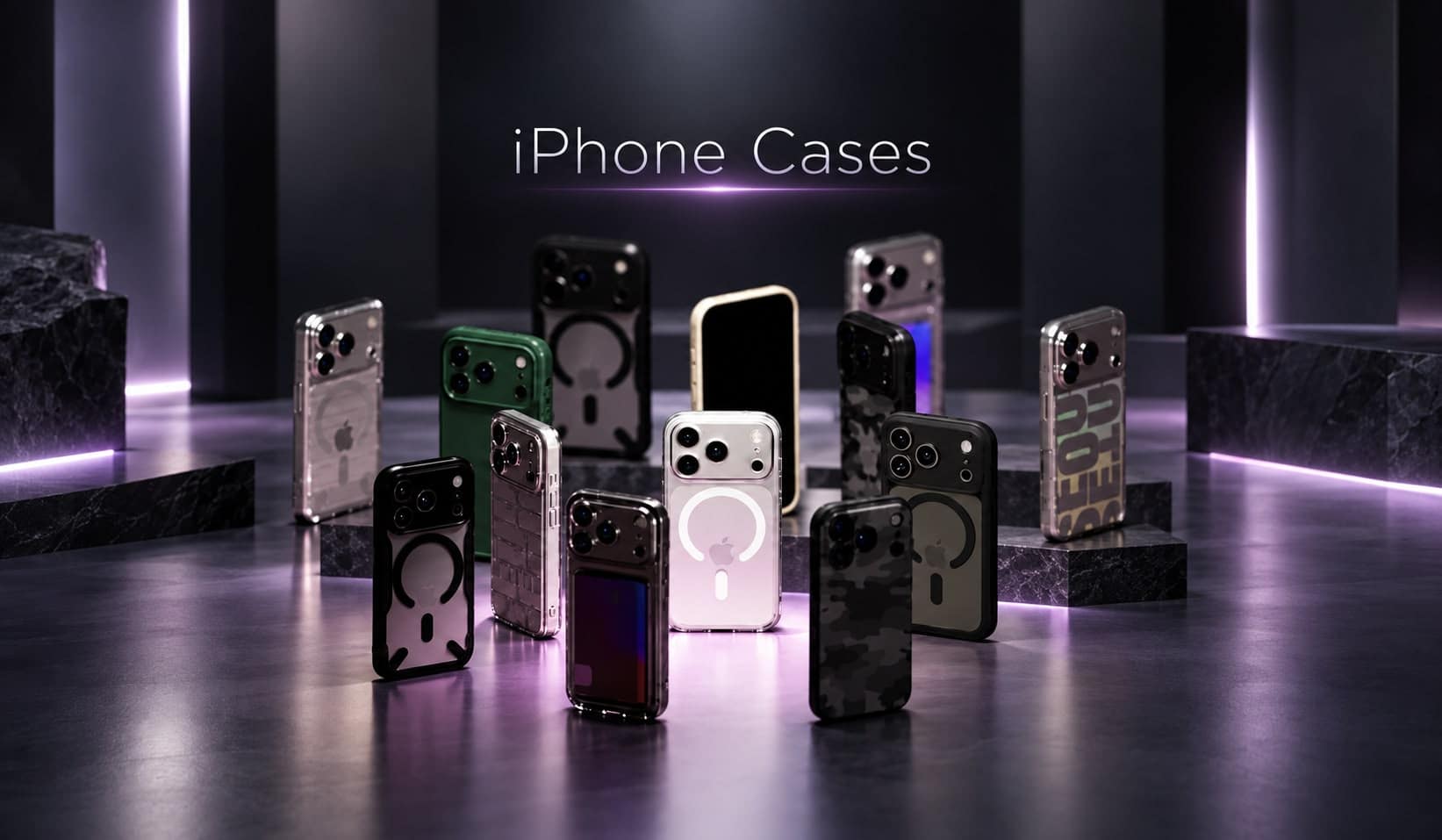
1. Start With a Good Phone Case
A phone case is usually the first thing people think about after a new phone, and for good reason. It takes most of the bumps, scratches and slips.
The right phone case depends on how you use your phone, not on what's popular. Someone who drops their phone on a metro platform every other week needs something different from someone who mostly uses it at a desk.
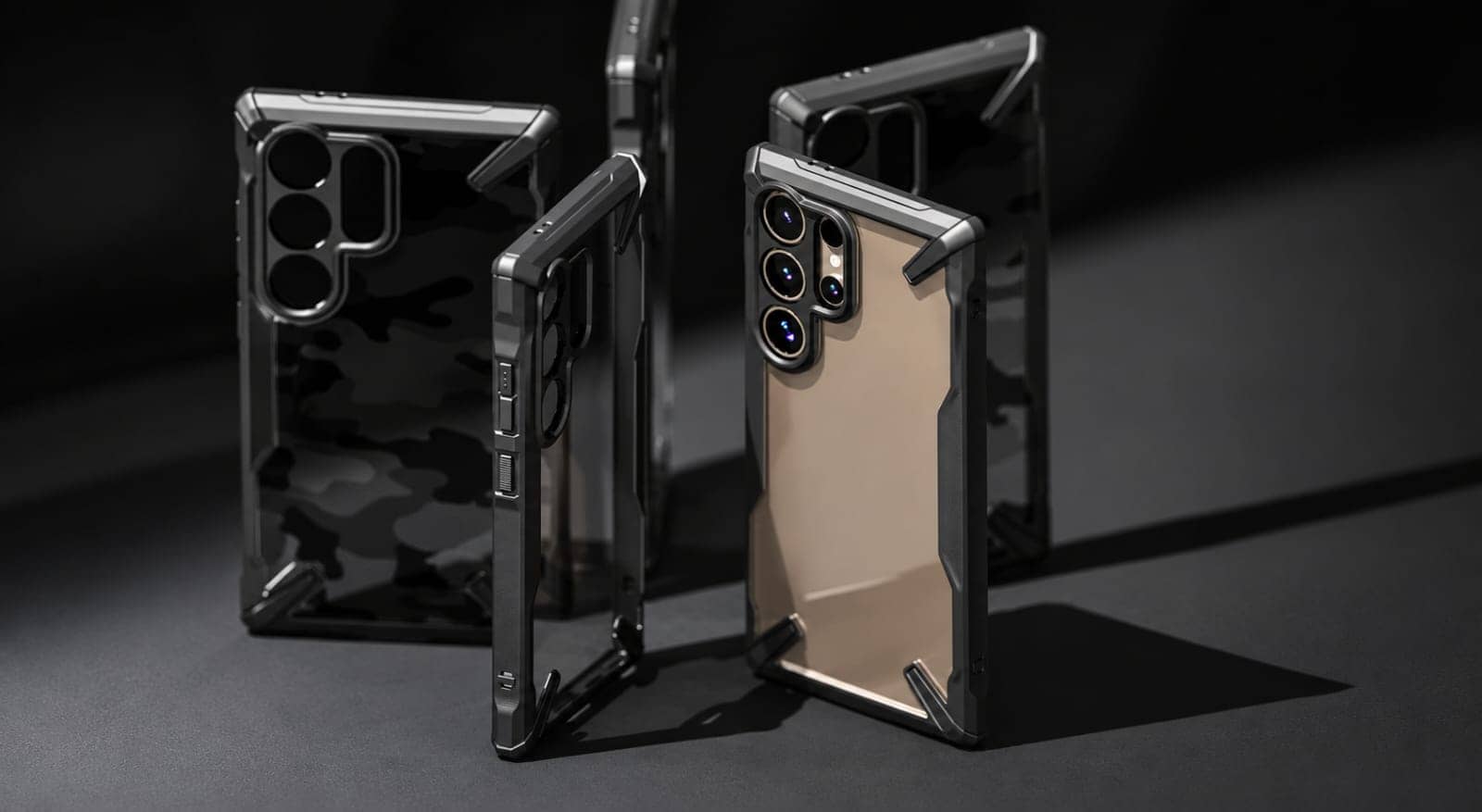
Rugged cases. These suit people who want more protection against drops and knocks, or who use their phone outdoors and on the move. They're bulkier, and that's the trade-off. Take a look at rugged cases if that sounds like you.
Protective cases. A middle path. You get everyday protection without a chunky feel. Protective cases work for most people who just want to stop worrying.
Slim cases. If you like the phone's original shape and don't want extra bulk, slim cases keep things light. The protection is more modest.
Clear cases. You paid for that colour, so why hide it? Clear cases let the design show through. Some can yellow over time, so it's worth checking how a material holds up.
MagSafe or magnetic-compatible cases. These are for compatible phones, and for people who want to use magnetic chargers, holders or stands.
Silicone cases. Soft to touch with a comfortable grip. They pick up lint and dust easily, which some people don't mind and others can't stand.
Wallet cases. These combine protection with room for a card or two. Handy if you like carrying fewer things, though they add thickness.
2. Add a Screen Protector
The screen is the most expensive part of most phones, and it's the part you touch all day. A screen protector helps guard against everyday scratches and marks from keys, coins and grit at the bottom of your bag.
Some things to check:
- Fit. It should match your exact model. A protector that's slightly off leaves gaps or pushes up against the case.
- Coverage. Some cover only the flat part of the display, while others reach the curved edges.
- Touch response. Once it's on, the screen should still feel normal to tap and swipe.
- Case compatibility. If the protector reaches the edge, a tight case can lift it over time.
One note: no protector guarantees the screen won't crack. It reduces the chance of scratches and can absorb some impact, but a hard fall can still cause damage.
3. Consider Camera Lens Protection
The camera bump is often the first thing to touch the table when you put your phone down. It also rubs against pocket linings and bag zips.
A camera protector can be useful if you:
- put your phone down on different surfaces through the day
- carry it loose in a bag or pocket
- take a lot of photos and videos
- want some extra coverage around the lens area
Not everyone needs one. Many cases already have a raised lip around the camera. If yours does and you're careful, you might skip this for now.
4. Make Your Phone Easier to Hold
Phones keep getting bigger and slipperier. A grip or ring can fix that.
- Phone grips sit on the back and give your fingers something to hold.
- Finger rings slide over a finger, which helps with one-handed use.
- Hand straps loop around your wrist or hand, so a slip doesn't turn into a drop.
If you often scroll with one hand, or your phone has slipped from your grip before, one of these is worth trying. If you're happy with how it sits in your hand, you can leave it.
5. Consider a Strap for Everyday Carry
Straps come in two main types, and they solve different problems.
Hand straps are for security while you're holding the phone. They're good for filming, walking while texting, or anywhere a drop would be a bad day. Browse hand straps if this is your situation.
Shoulder straps turn the phone into something you wear crossbody. That leaves your hands free and keeps the phone within reach while you commute, travel or shop. If you're always digging through a bag for your phone, shoulder straps might change your routine.
6. Magnetic Accessories for Compatible Phones
Magnetic accessories add convenience if your phone and case support them. Think magnetic holders, grips, stands and wireless chargers that snap into place.
They can be handy for a desk setup, a car mount or a quick prop-up for video calls. You can browse magnetic accessories and phone grips and rings for compatible options.
Compatibility matters a lot here. Magnetic support varies between phones and cases, and a case that isn't magnet-ready can weaken the hold. Check before you buy.
7. Which New Phone Accessories Do You Actually Need?
Here's a quick way to see it all at once.
| Accessory | Main Purpose | Who Should Consider It? | Priority |
|---|---|---|---|
| Phone Case | Helps protect the phone from everyday bumps, scratches and drops | Most smartphone users | Essential |
| Screen Protector | Helps protect the display from everyday scratches and marks | Most smartphone users | Essential |
| Camera Lens Protector | Adds protection around the camera area | Users who want additional camera protection | Useful |
| Phone Grip or Ring | Provides a more secure and comfortable hold | Users who prefer extra grip | Optional |
| Hand Strap | Makes the phone easier to hold and carry | Users who frequently use their phone on the go | Optional |
| Shoulder Strap | Keeps the phone accessible while leaving your hands free | Commuters, travellers and users who prefer hands-free carrying | Lifestyle-based |
| Magnetic Accessories | Adds convenience with compatible magnetic accessories | Users with compatible phones and cases | Optional |
| Wallet Case | Combines phone protection with card storage | Users who prefer carrying fewer items | Lifestyle-based |
Nobody needs every row. A case and a screen protector are a practical starting point. The rest depends on how you carry and use your phone.
8. How to Choose Accessories for Your New Phone
A few habits save money and returns:
- Check exact compatibility. Same brand doesn't mean same fit. Cutouts, button positions and camera layouts differ between models.
- Think about how you use your phone. Desk, commute, outdoors, one hand or two.
- Weigh protection against weight. More protection usually means more bulk.
- Make sure things work together. A thick case, a screen protector and a magnetic mount can clash.
- Think about how you hold and carry it. If you've never wanted a strap, you probably don't need one.
- Skip trends. A viral accessory isn't useful if it doesn't fit your day.
- Buy for a real need. If you can't say what problem it solves, wait.
Conclusion
A new phone doesn't need a drawer full of extras. Start with what protects it most, then add things based on how you hold, carry and use it.
If you're still in the festive shopping window, it can be a convenient time to sort out your accessories too. You can look through the Great Indian Festival collection or the Big Billion Days collection and pick only what fits your setup.