Picking a phone case often comes down to one question: do you want a case that barely changes the phone, or one with more protective features built in? A thin case keeps the phone close to its original size and feel. A rugged case adds protective features, often with some extra bulk.
Neither is right for everyone. The better choice depends on how you use your phone, how much protection you want, how you like to hold it and how the individual case is made. This guide compares thin vs rugged phone cases so you can see the trade-offs before you buy.
What Is a Thin Phone Case?
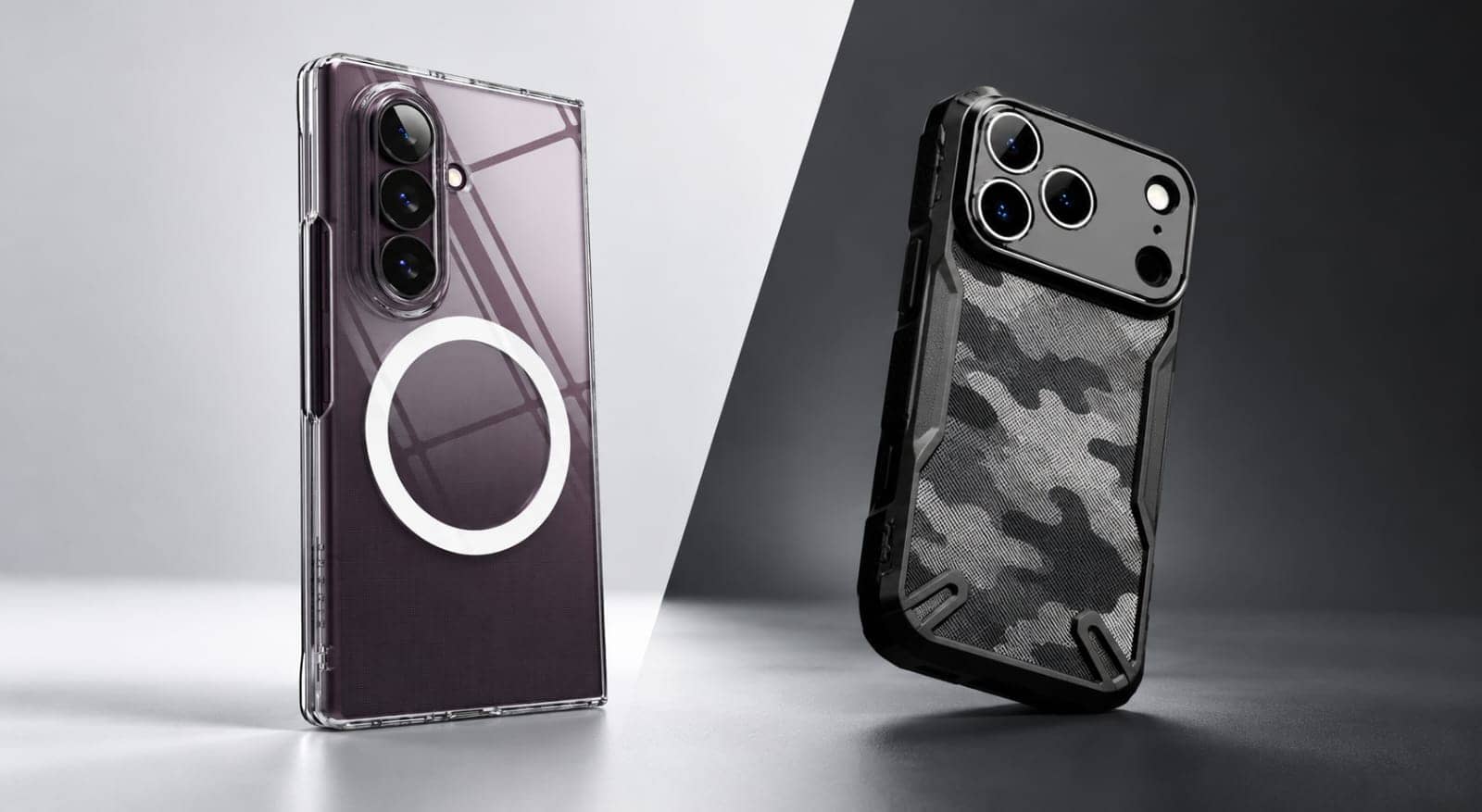
A thin phone case, often called a slim phone case, is made to add as little thickness and weight as possible. Thin cases usually offer:
- A slim profile that slides easily into pockets and small bags.
- Low weight, so a lightweight phone case barely changes how the phone feels in hand.
- A choice of finishes, from matte to glossy to textured, which affects grip.
- Protection against everyday scuffs and light knocks, though how far it goes depends on materials and construction.
A slimmer design leaves less room for added cushioning, and thin cases are not all alike. Check the construction of the one you are considering instead of assuming it protects like another.
What Is a Rugged Phone Case?
A rugged phone case is designed with extra protective features in mind. Depending on the design, that can mean reinforced corners, impact-absorbing materials, raised edges around the screen and camera, and textured surfaces for grip.
For people who want additional protection, those features can offer some reassurance, especially if the phone gets handled a lot. The trade-off is that added material can mean a thicker, heavier phone and a snugger fit in tight pockets. Not every rugged case is bulky, though, and some designs stay fairly compact.
How well any rugged case handles a fall depends on its specific design, its materials and whether there is verified testing behind it. A tougher look on its own tells you very little.
Thin vs Rugged Phone Cases: Key Differences
The table below sums up the general differences. Details vary by product, so treat it as a starting point.
| Feature | Thin case | Rugged case |
|---|---|---|
| Thickness and bulk | Minimal added thickness | Usually more added thickness, though it varies by design |
| Weight and portability | Generally lighter and easy to carry | Often heavier, depending on materials and construction |
| Grip and handling | Depends on the finish and texture | Some designs add textured sides or surfaces |
| Screen and camera protection | Varies, so check the edge design | Often includes raised edges, but check the specific design |
| Drop and impact protection | Varies with materials and construction | May include reinforced corners and cushioning, but check for verified testing |
| Pocket convenience | Usually slides in and out easily | May feel snugger in tight pockets |
| Suits users who | Prefer minimal bulk | Want added protective features |
Thickness is only one signal. Materials, corner design and edge height also shape performance, so two cases with similar phone case thickness can behave differently. In a thin vs thick phone case comparison, more material does not automatically mean more protection.
Which Phone Case Is Better for Everyday Use?
There is no single winner in the slim vs rugged phone case debate.It depends on your day.
For office days and daily commutes
If your phone mostly moves between a desk, a pocket and a train seat, a thin case keeps things light and quick to pull out. If it often rides loose in a bag with keys, look closely at the edge and corner design of whichever type you choose.
If you travel often
Travel means more handling for boarding passes, maps and photos. Some people like a rugged case's added protective features for that. Others prefer a thin case to keep their pockets light.
Outdoors and on the move
Walks, treks and weekend rides mean varied surfaces and sweaty hands. Rugged designs with textured grips and raised edges may suit those days, though grip depends on the material.
When bulk is your main concern
If you like your phone's feel as it is, a thin case preserves it. It also suits anyone who puts easy handling and portability first.
If accidental drops worry you
Reinforced corners and cushioning in rugged designs may give extra peace of mind. Still, phone case drop protection varies between designs in both categories, so check the details of each case.
What Should You Consider Before Buying a Phone Case?
Whichever style you lean towards, run through these points first:
- Confirm your exact phone model. Cases are cut around specific camera, button and port positions, so one made for another model may not fit, even in the same series.
- Decide how much extra phone case thickness and weight you are comfortable carrying.
- Look at how the case treats the screen and camera: raised edges, corner design and any other construction details.
- Think about grip and handling: material, surface texture, button access and comfort over a full day.
- If you use wireless charging or magnetic accessories, check the product details for compatibility with your phone and that specific case.
- Look for manufacturer specifications and credible drop-test information when available, and be cautious about vague protection claims.
- Match the case to your routine: where you use your phone and how you carry it.
What to Look for in Your Next Phone Case
Once you know your priorities, narrowing the field gets easier. If a slimmer profile matters most, you can compare available thin phone cases and see how their materials, finishes and edge designs differ. If you want additional protective features, it is worth reviewing rugged phone cases with a close eye on corner and edge construction. A protective phone case only works well if it fits your specific phone properly, so check the details against your exact model before deciding.
Final Thoughts
Thin cases generally put a slimmer profile first. Rugged designs may add protective features, usually with some extra bulk. Which one makes sense comes down to how the individual case is built and what you care about most.
To decide, think about how you carry your phone, where you use it and how much bulk you are happy with. Then read the details of the specific case.
Frequently Asked Questions
Are thin phone cases protective enough for everyday use?
They can be, depending on the case. Protection comes from the materials, construction and design, so check the details of the specific thin case instead of judging by thickness alone.
Do rugged phone cases offer better drop protection?
Features such as reinforced corners and cushioned construction can help absorb impact. Actual performance depends on the specific case and verified testing, so look for the manufacturer's test information.
Is a thin phone case better for carrying in a pocket?
Often, because less bulk usually means an easier fit and lighter feel. Designs and weights differ, though, and some rugged cases are fairly compact.
Does a thicker phone case always provide better protection?
No. Thickness is one factor among several. Materials, corner design and edge height matter too, so the construction details tell you more than thickness does.
How do I choose between a thin and rugged phone case?
Start with phone model compatibility, then weigh how much bulk you accept against the protection you want, along with your handling preferences and daily routine. If you are working out how to choose a phone case, those points cover most of it.